Building Confidence While Building a LifeYou’re Proud Of

Building confidence isn’t about perfection—it’s about learning to trust yourself through consistent action. Most people underestimate how much small, deliberate steps can reshape their sense of capability. Growth becomes more natural when you align what you want with what you do each day. With a bit of structure and support, anyone can begin creating a life that feels meaningful, steady, and truly their own.
Quick Summary
Confidence grows when you consistently do things that align with the life you want. Small wins stack into larger ones, and clarity about what matters keeps momentum alive even when motivation dips.
Day-to-Day Confidence Building
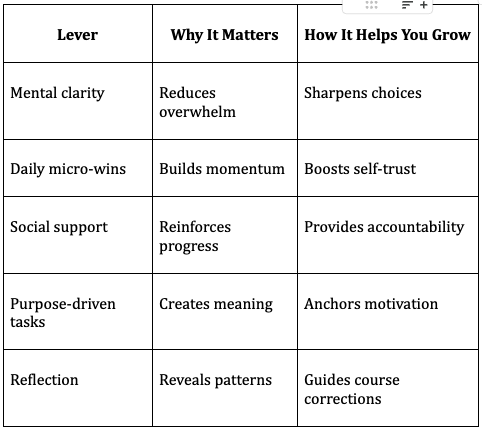
Confidence often grows in the in-between moments—like catching yourself handling something better than you did last year or realizing you didn’t shut down during a stressful conversation. These small flashes of progress usually happen when you’re not trying to “improve,” but simply living your life with a bit more awareness. Noticing these moments trains your mind to see yourself as capable, adaptable, and steadier than you thought. When you start collecting these little proofs of progress, confidence becomes something you feel rather than something you chase.
Small Shifts That Make a Big Difference
When Growth Means Going Back to School
Many people reach a stage where expanding their opportunities requires expanding their skill set. Going back to school—whether for a certificate, bachelor’s program, or graduate degree—can open doors that were previously out of reach, especially in competitive fields. Completing coursework online gives added flexibility for anyone balancing work or family. If you’re pursuing healthcare leadership, take a look at earning a master’s degree in health administration which can deepen expertise and prepare you to guide teams confidently.
How to Move Through Internal Barriers With Support
Internal blocks—self-doubt, fear, hesitation—are normal. But they don’t need to be permanent companions. Partnering with supportive mental health professionals can help people navigate these barriers with clarity and compassion. Attune Therapy offers a space where individuals can examine old patterns, build healthier coping tools, and understand why they react the way they do. With the right guidance, new habits feel less like uphill battles and more like aligned steps toward a life that feels truly lived, not just managed.
Simple Steps to Strengthen Confidence
Use this weekly:
Identify one small task you’ve been avoiding. Do it first.
Replace one negative self-judgment with a neutral observation.
Spend ten minutes outdoors without your phone.
Drink a full glass of water before morning caffeine.
Name one thing you did well today—out loud.
Declutter one tiny area (drawer, shelf, or inbox folder).
End the week by reviewing what actually worked.
Strategies for Building Forward Momentum
Treat progress like a relationship, not a race.
Ask for help sooner rather than later—support saves time.
Celebrate small milestones (you’re allowed).
Choose habits you can sustain on your hardest days, not your best ones.
Let setbacks inform you, not define you.
Try “effort over outcome” for tasks that feel intimidating.
Say “no” to something that drains you once a week.
Practical Guidance for Turning Goals Into Reality
People who consistently achieve their goals usually follow a pattern—often unconsciously—that creates stability and direction:
1. Define Outcomes Before Methods
It’s easier to act when you know the exact result you’re aiming for.
2. Reduce Friction
Anything too complicated becomes a mental tax. Simplify the first step until the path feels doable.
3. Track Only What Matters
Not every metric deserves attention. Pick two or three meaningful indicators of real progress.
4. Build Systems, Not Willpower
Relying solely on motivation is unreliable. Systems (routines, reminders, checklists) carry you when energy runs low.
FAQs
Q: What if I don’t feel ready to make changes?
A: Start with the smallest available action. Readiness grows from doing, not waiting.
Q: How long does it take to build confidence?
A: It varies, but noticeable shifts often emerge within weeks of consistent small steps.
Q: How do I stay committed when motivation fades?
A: Use systems—calendars, habit stacks, supportive friends, or simple routines—to carry you through low-motivation periods.
Q: Do setbacks mean I’m failing?
A: Not at all. Setbacks show you where your systems need adjusting, not where your value is lacking.
Closing Thoughts
Living your best life isn’t about perfection—it’s about direction. Confidence takes root when your actions reflect your intentions, even imperfectly. Keep your goals visible, your routines simple, and your support systems strong. Every step you take—even the small ones—moves you closer to the life you’re trying to build.
