How Do You Know It’s Time to Seek Therapy for Your Child?
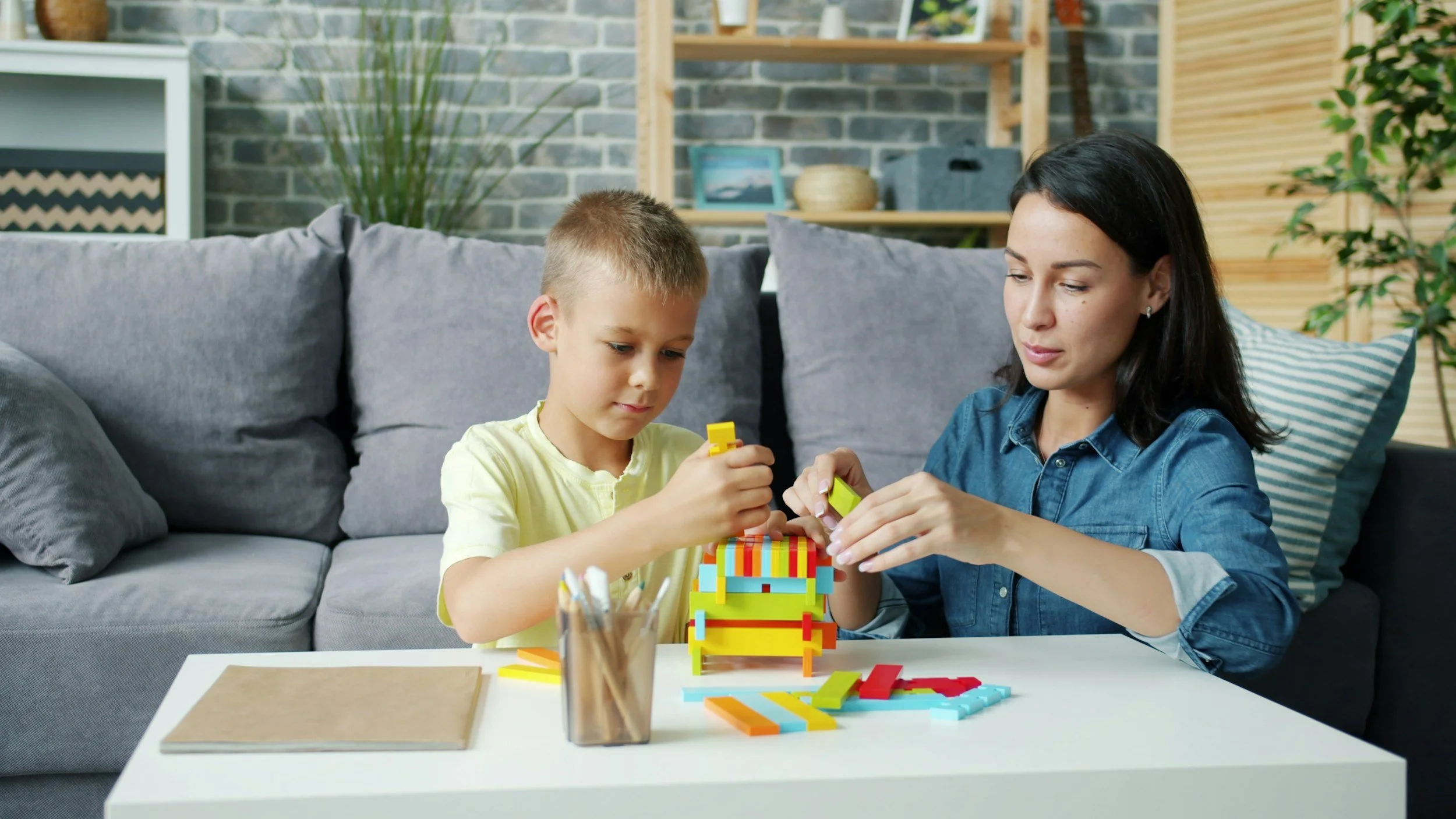
Elementary and middle school are times of tremendous growth. Children are learning how to manage big feelings, navigate friendships, become more independent, and handle increasingly difficult academic expectations. It is completely normal for children to have occasional worries/anxiety, tantrums, friendship struggles, or just plain, difficult days. However, when these challenges begin to interfere with your child’s everyday life, it may be time to consider professional support.
When Should Parents Be Concerned?
There is no single sign that means a child “needs therapy.” Instead, pay attention to changes in your child’s typical behavior and how long those changes last.
You may want to consider talking with a therapist if your child is experiencing:
Frequent big emotions: Your child seems unusually irritable, sad, tearful, angry, or overwhelmed, or may have frequent emotional outbursts that are difficult to calm.
Excessive worries or fears: Your child frequently worries about school, separation, mistakes, health, safety, or what others think of them. They may avoid activities or need repeated reassurance.
School difficulties: You notice a sudden change in grades, concentration, classroom behavior, attendance, or willingness to go to school.
Friendship struggles: Your child has difficulty making or keeping friends, frequently experiences conflicts, withdraws from peers, or seems especially distressed by social situations.
Changes at home: You notice more arguing, defiance, aggression, withdrawal, or difficulty following routines than what is typical for your child.
Changes in everyday habits: Sleep, appetite, energy, self-care, or interest in favorite activities/hobbies has noticeably changed.
Physical complaints can also be a clue. Some children experience emotional distress through headaches, stomachaches, tiredness or other physical symptoms, particularly before school or stressful situations.
Trust Your Instincts
Parents often wonder whether they are overreacting or whether they should “wait and see.” If you have noticed a meaningful change in your child and your usual strategies are no longer helping, it is okay to reach out. You do not need to wait for a problem to become severe before seeking support.
Therapy can give school-aged children a safe place to understand their feelings and build skills for coping with frustration, anxiety, disappointment, transitions, and social challenges. Depending on your child’s age and needs, therapy may include things such as play, conversation, creative expression, or even include you as the parent and focus on how you can better support your child.
Seeking therapy does not mean something is “wrong” with your child or that you have done something wrong as a parent. Sometimes children simply need additional support while they develop the skills to handle a challenging season.
If you are wondering whether therapy could help your child, an initial consultation can be a helpful place to start. A mental health professional can listen to your concerns, learn more about what you are seeing at home and school, and help you determine what support may be appropriate.